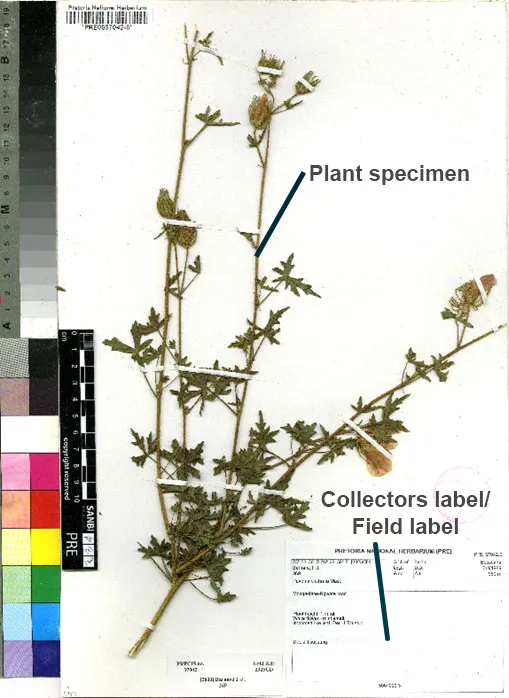

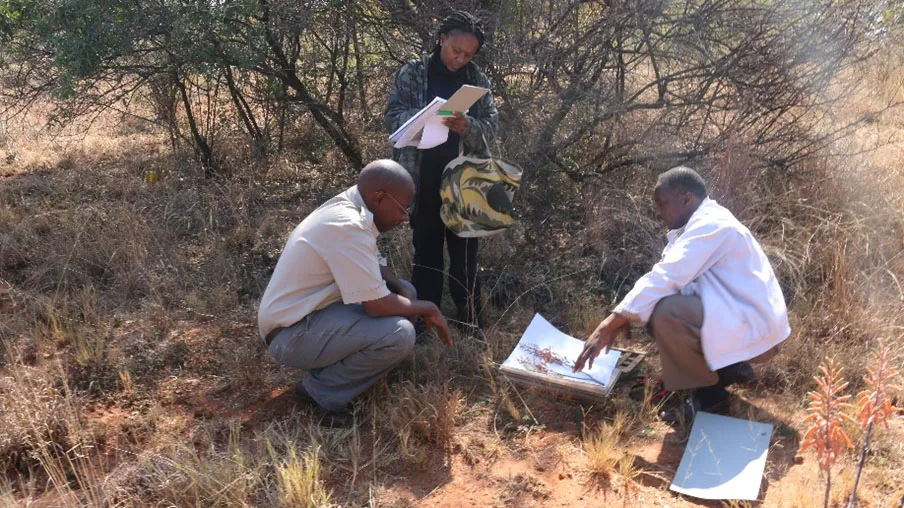
Botanists on a field trip, collecting plant specimens in a herbarium press.





The embryos in the Bernard Price Institute collection of Karoo vertebrates at the
Evolutionary Studies Institute of the University of the Witwatersrand.
Photo: Ilse van der Merwe, NSCF


























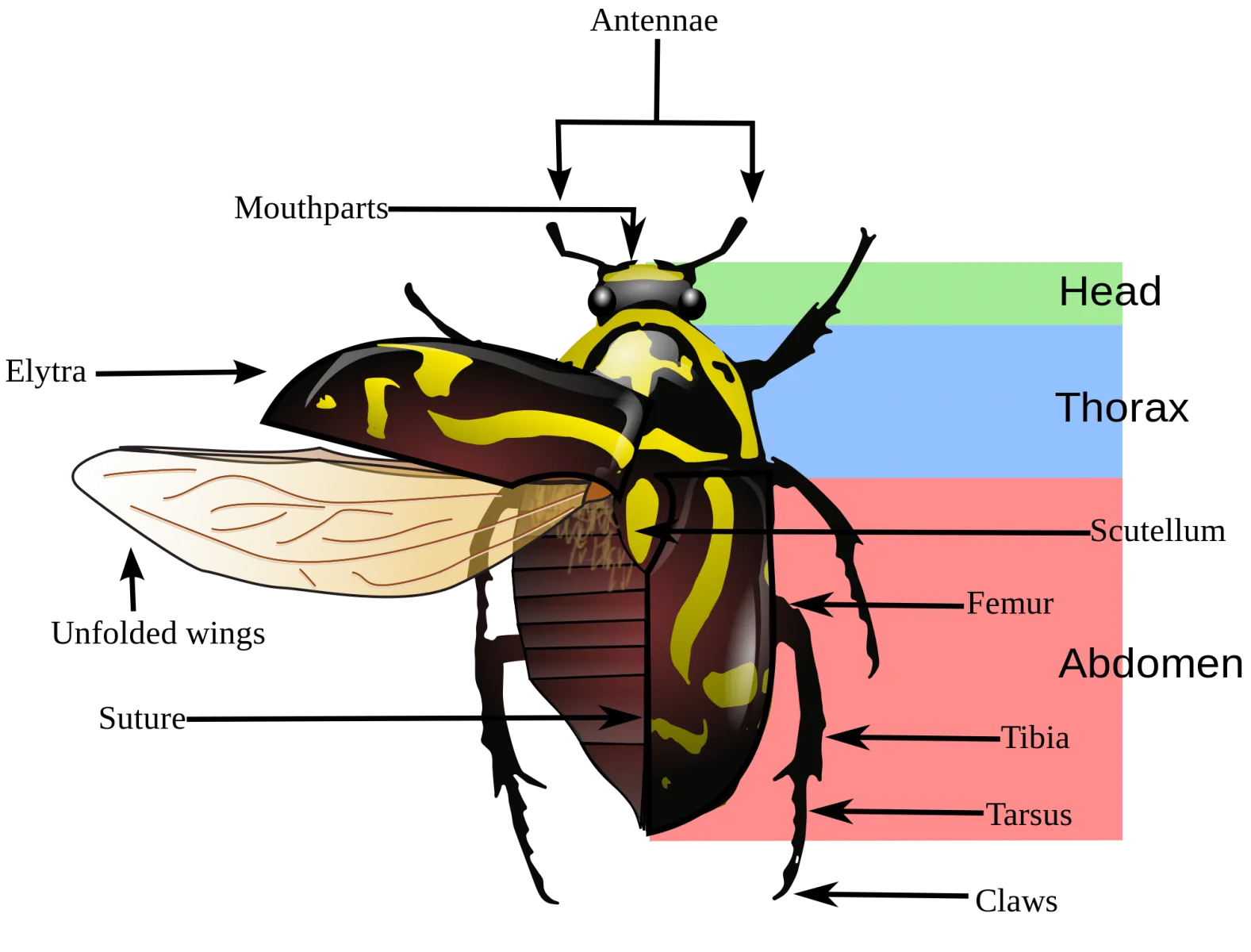
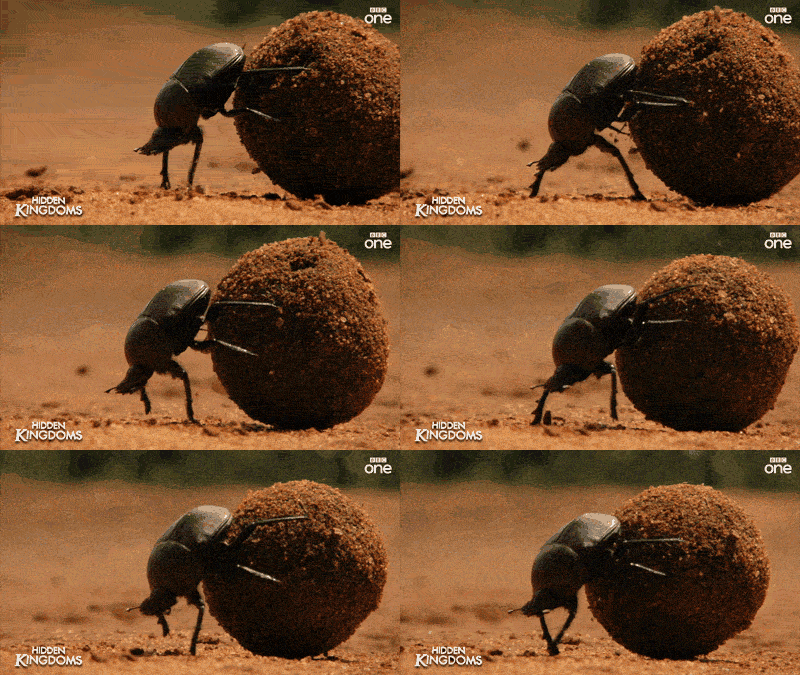
Insects are small air-breathing arthropods (such as ants, beetles, butterflies, bees) with a three-part body (head, thorax and abdomen), three pairs of jointed legs, typically one or two pairs of wings, compound eyes and two antennae.
Insects are the most diverse group of animals; they include more than a million described species and represent more than half of all known living organisms and over 90% of the animal life forms on Earth. Insects are found in nearly all land environments, but only a few species reside in the oceans. Insects perform a vital role in supporting other life forms and ecosystems; pollination, soil aeration, processing of nutrients and as part of the overall food chain.
Entomology is the study of insects and their relationship to humans, the environment, and other organisms. Entomologists contribute to such diverse fields as agriculture, chemistry, biology, human/animal health, molecular science, and even criminology and forensics.

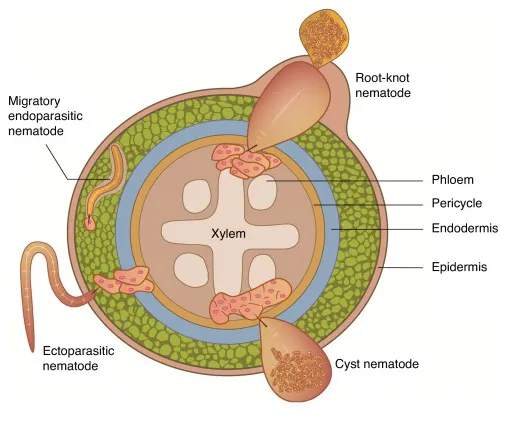
Plant-parasitic nematode feeding types.

Nematodes, also known as roundworms and eelworms, are one of the most diverse and abundant groups of animals on earth. They are found on every continent and in almost every habitat known to man. Nematodes in the soil are microscopic organisms and can very rarely be seen with the naked eye. There are many different kinds of nematodes and they are divided into groups based on what they eat. Herbivorous nematodes (plant-parasitic nematodes), feed on all different parts of a plant. These nematodes are sometimes referred to as the bad nematodes because they can cause damage to agricultural crops and they make it difficult to grow the food we eat.
But there are also beneficial nematodes, the so called good guys, which can be beneficial to humans because they are essential for soil health. These nematodes are also divided into different groups. Bacterivores (nematodes that eat bacteria), fungivores (nematodes that eat fungi), predators (nematodes that eat other microscopic animals including other nematodes) and omnivores (nematodes that eat plants and animals). These nematodes play an essential role in the soil food web because not only do they eat the other organisms in the soil, but they are also food for many of the other animals also found in the soil. Nematodes are also important in nutrient cycling in the soil, enabling plants to take up nutrients and ensuring plant growth. In the soil environment there are millions of nematodes from all the different feeding groups.



 |
 |
 |



 |
 |
 |
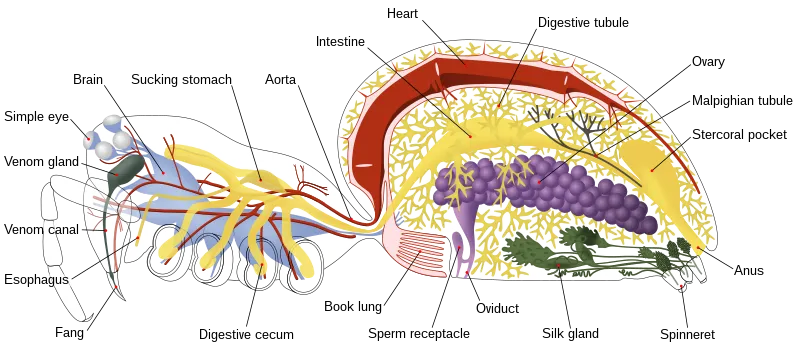


A sac spider, Cheiracanthium species, that can be found on different crops. Photograph by Peter Webb.



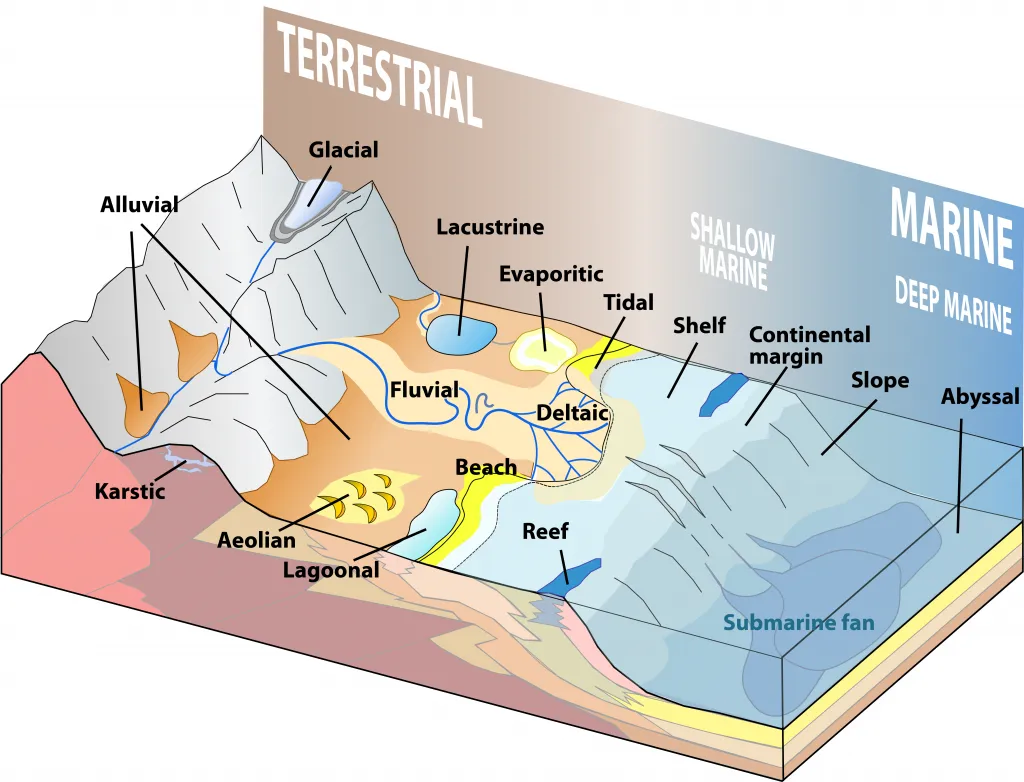






Different plates of the world


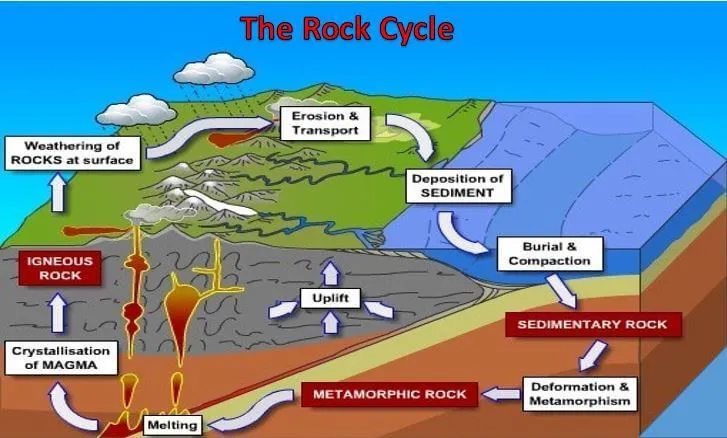
Diagrams showing the formation of metamorphic rocks from both sedimentary and igneous types of rocks adapted from Earle (2019)
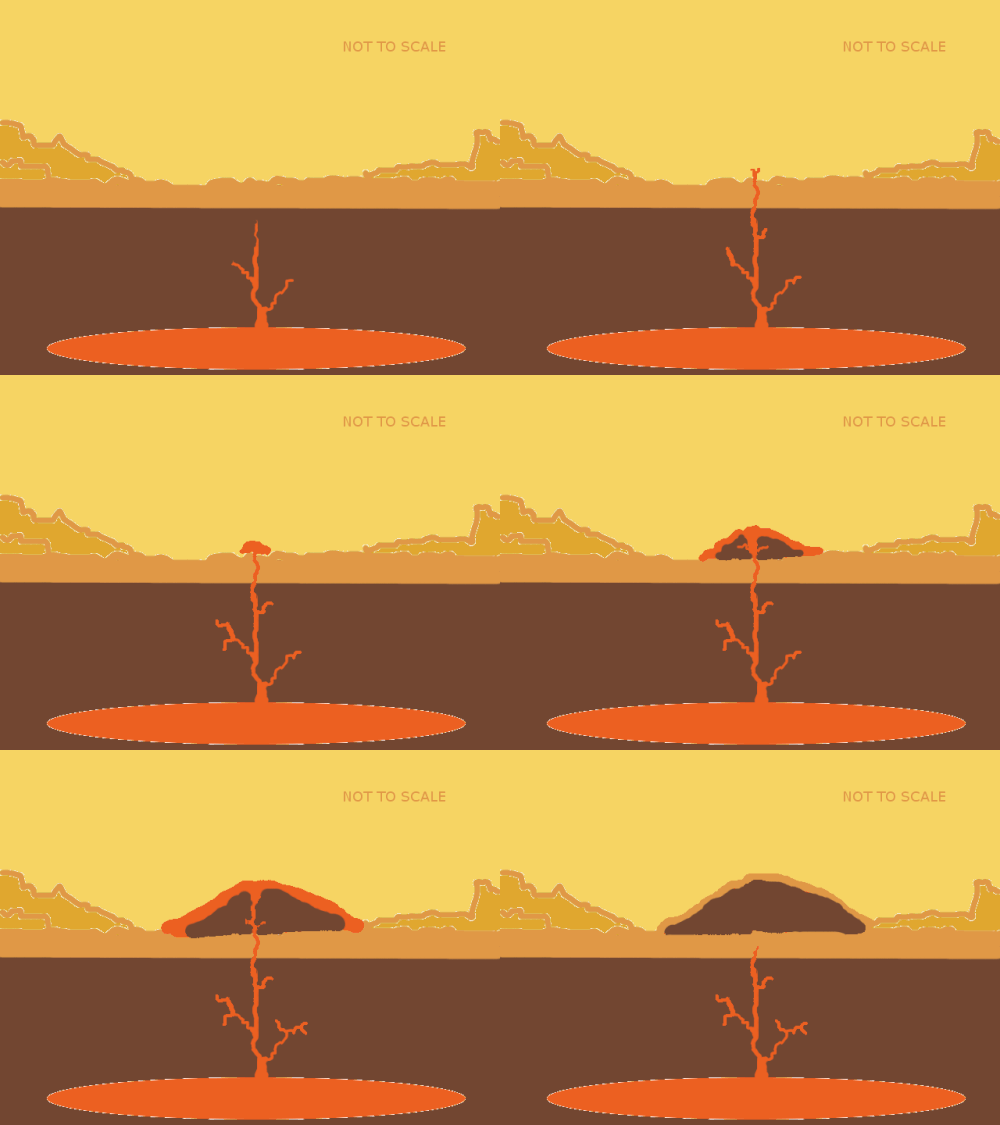



Figure 2: Cross section showing the formation of both volcanic (extrusive) and plutonic (intrusive) igneous rocks (Nelson, G.B.,2023).


Figure 1:
Left:
Modern-day basaltic pahoehoe lava flow on Hawaii (scientiafantastica.wixsite.com).
Right: A 3-billion-year-old basaltic pahoehoe lava flow in Kwa-Zulu Natal, South Africa (David Russo, 2022).


A graphical illustration of the relationship between Geological Time (Hadean at 4.5 Ga) and the Explosion of Life in the Cambrian 542 Ma (from Marshak, 2011 Figure 12.15). Not to scale